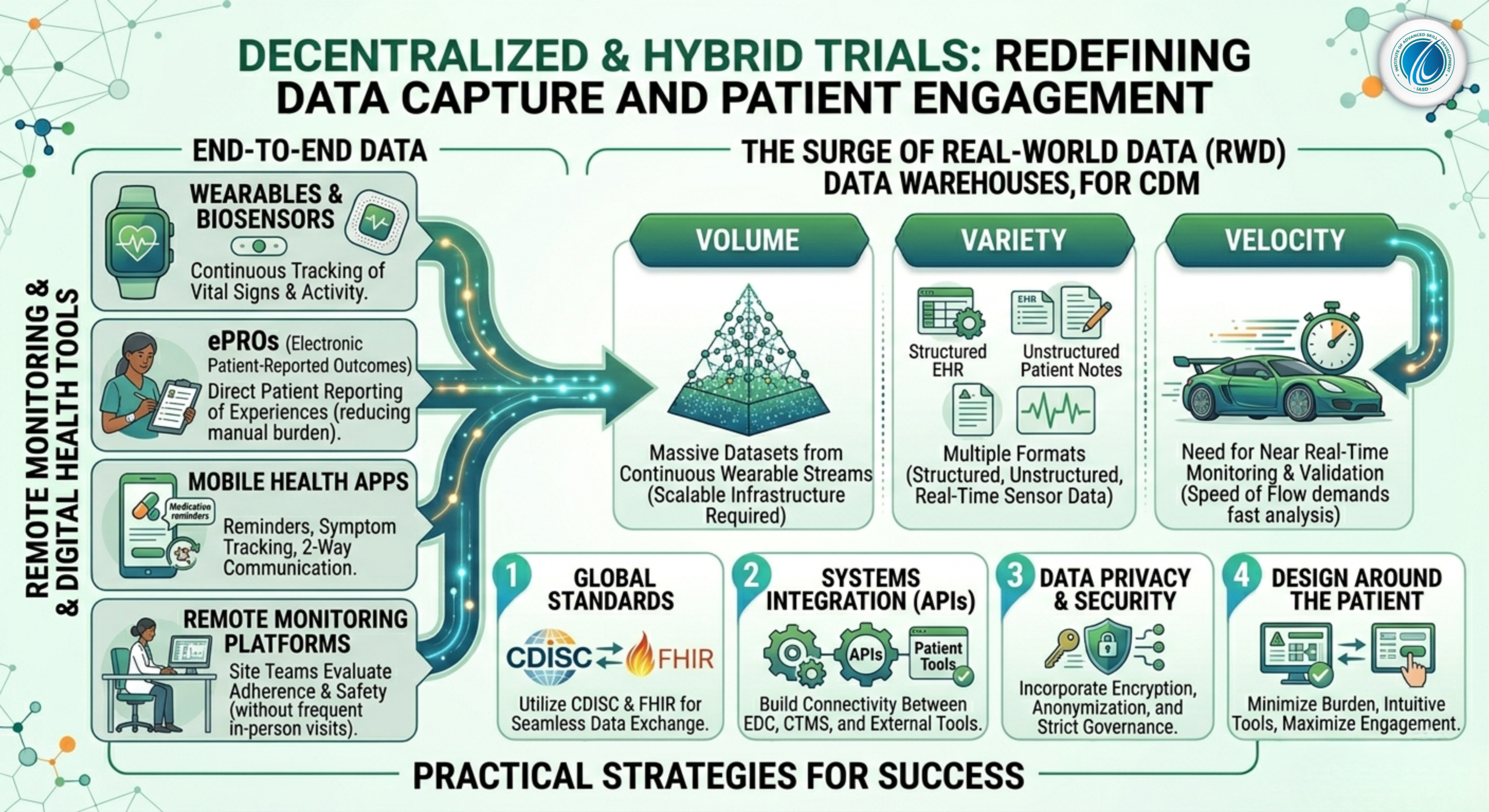
The clinical research industry is undergoing a profound transformation. The move toward Decentralized Clinical Trials (DCTs) and hybrid models is reshaping how data is collected, managed, and utilized. Driven by advancements in technology and patient demand for more flexible participation, these models are no longer optional—they are becoming integral to the future of clinical trials.
The Rise of Remote Monitoring and Digital Health Tools
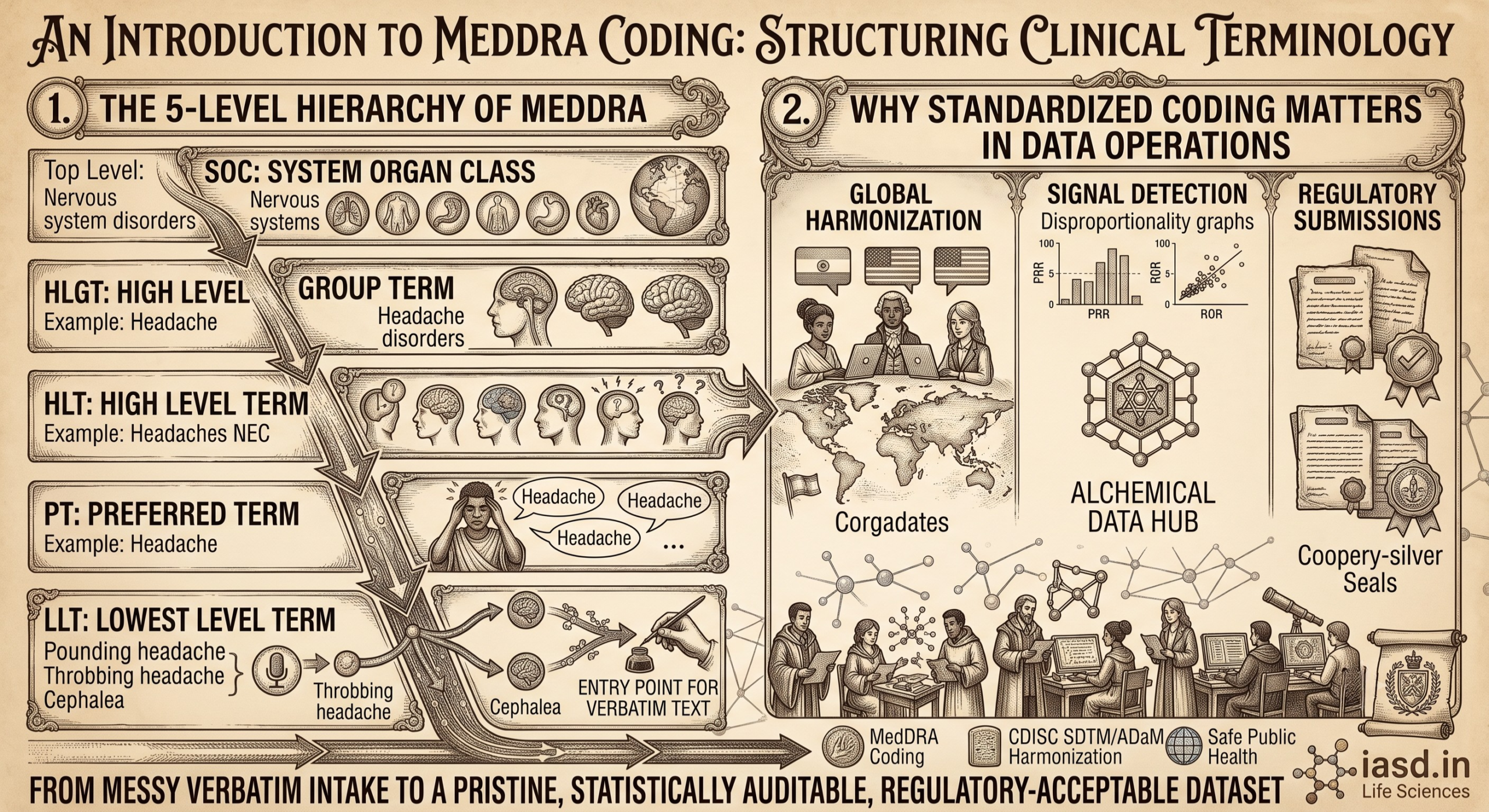
An Introduction to MedDRA Coding: Structuring Clinical Terminology in Drug
Introduction When a patient or physician reports an adverse event during a clinical trial or post-marketing surveillance, they describe symptoms in…

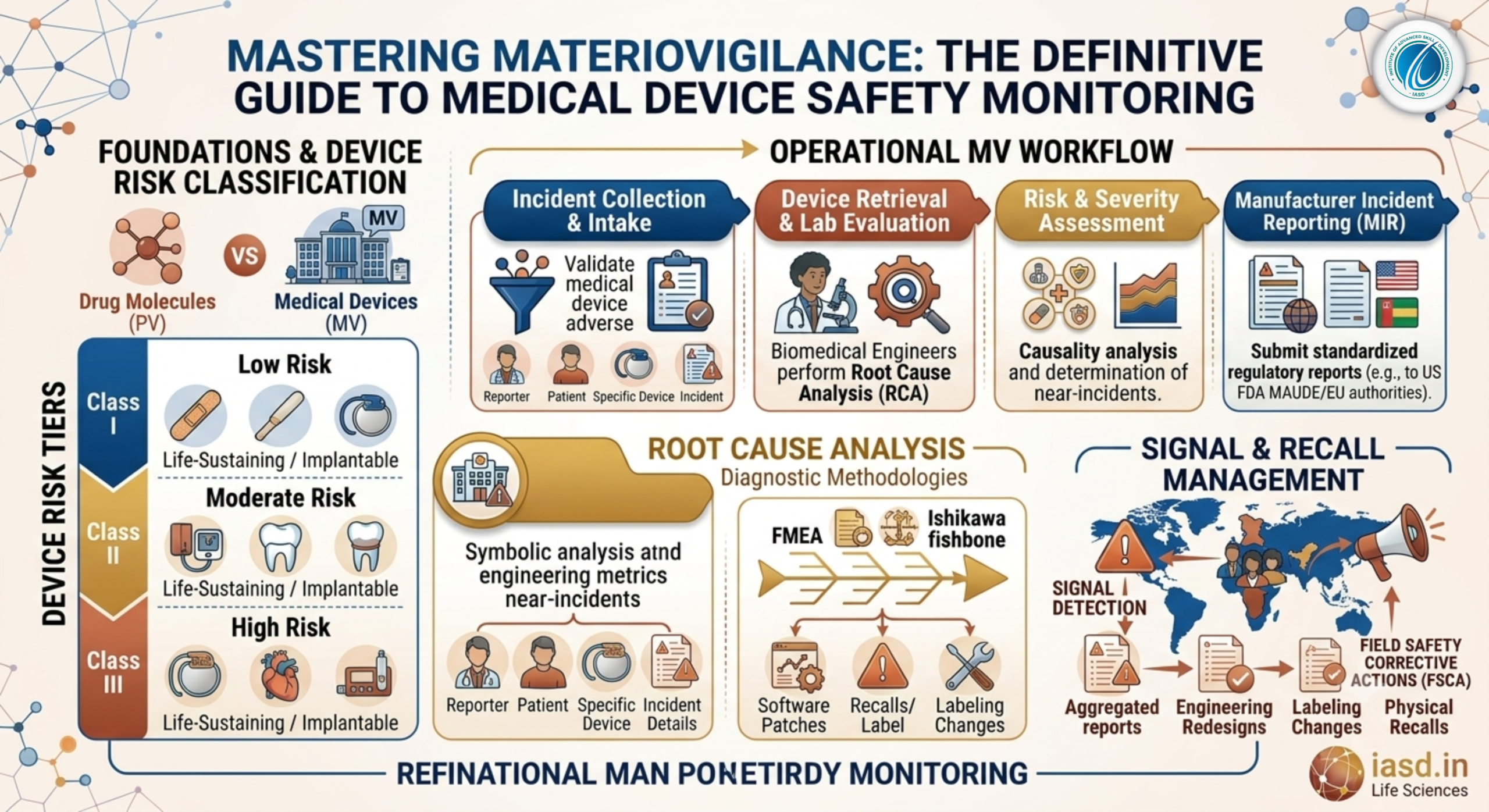
Mastering Clinical Data Management: From eCRF Design to Database Lock
Introduction In the era of modern clinical research, data is the foundation of every medical breakthrough. However, raw clinical data collected…

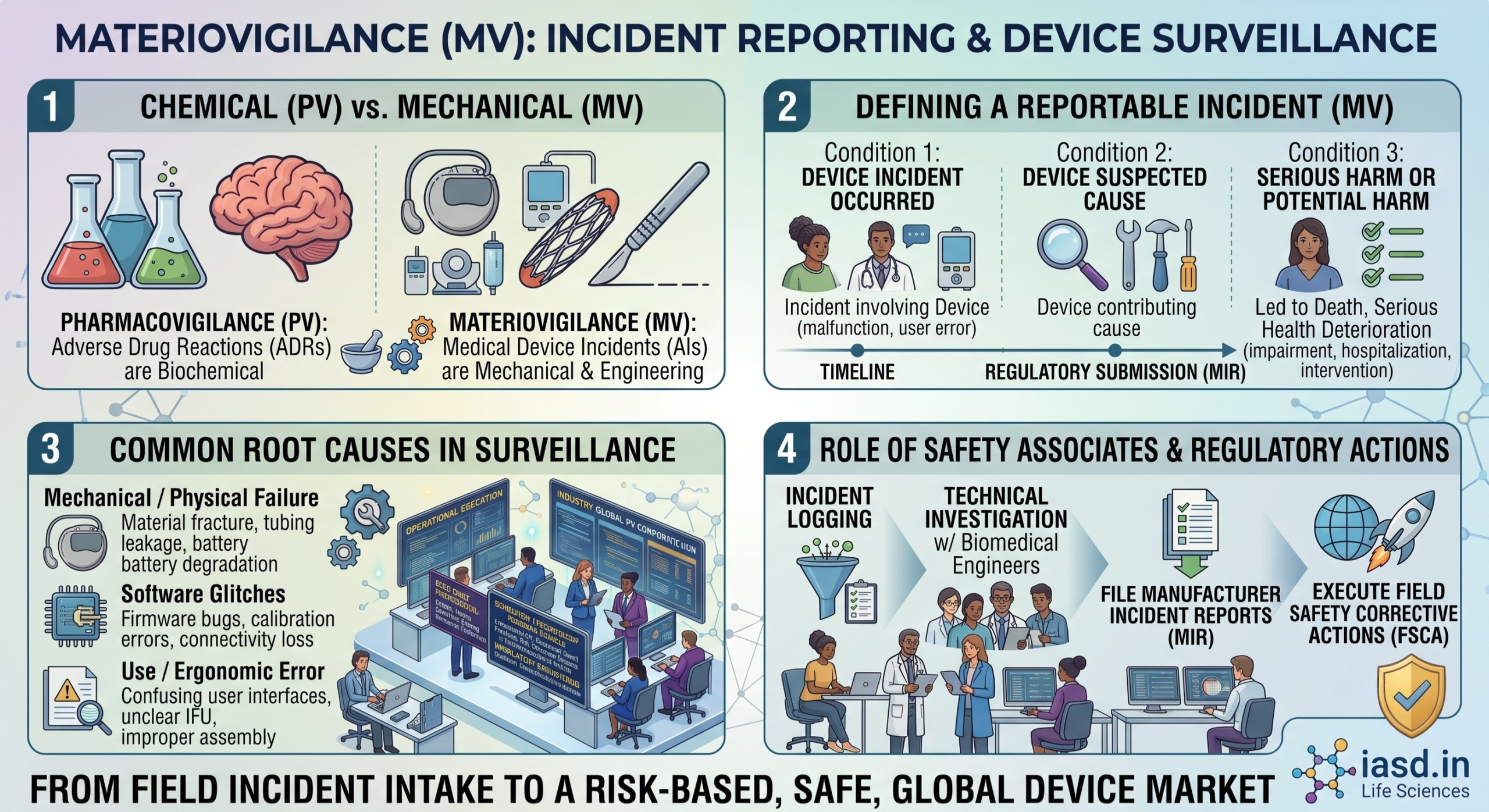
What is a Medical Device Incident? An Introduction to Materiovigilance
Introduction While Pharmacovigilance (PV) monitors adverse reactions to pharmaceutical molecules, Materiovigilance (MV) is dedicated to monitoring the safety and performance of…
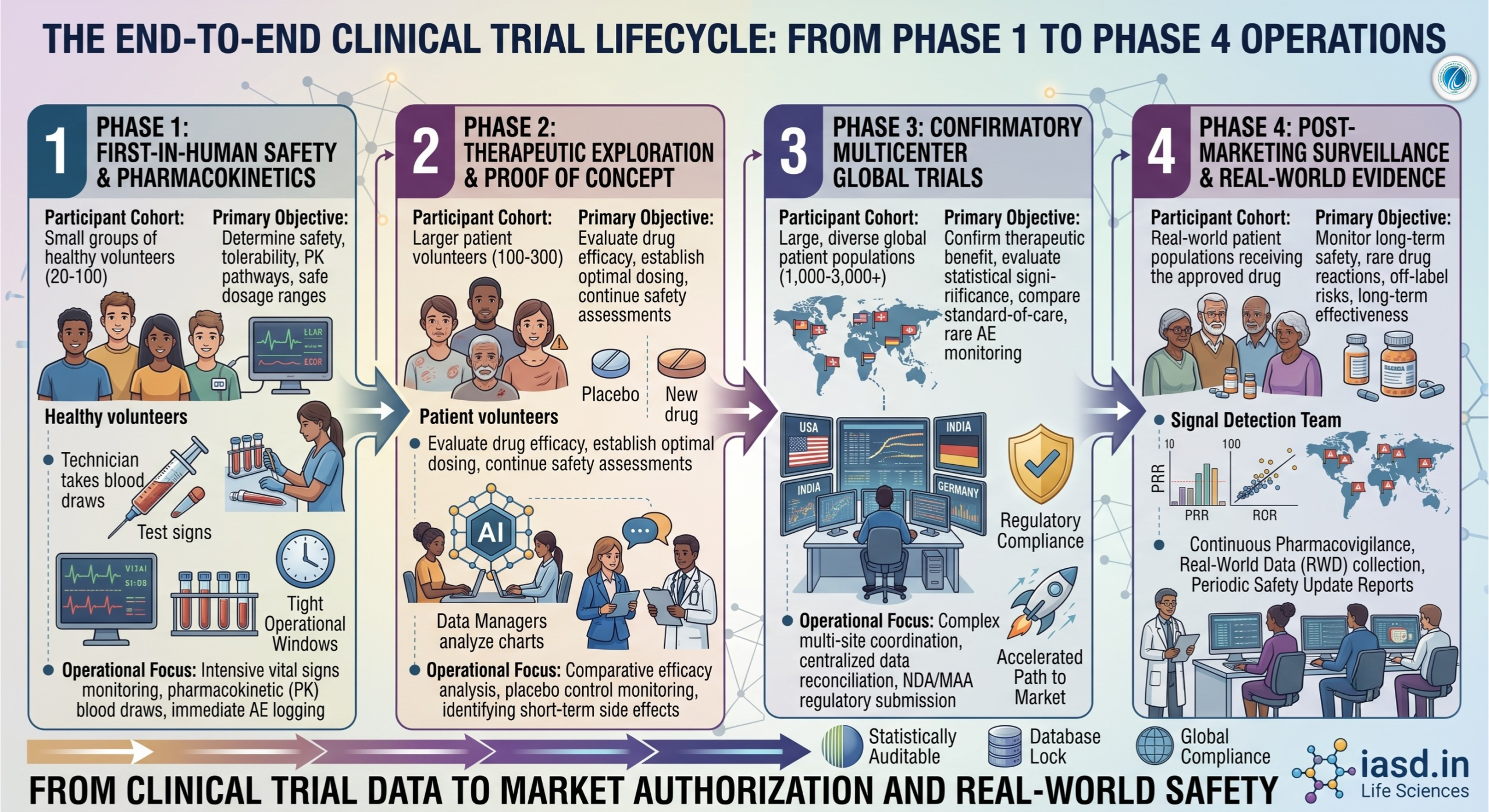
The Core Lifecycle of a Clinical Trial: From Protocol Phase
Introduction Developing a new pharmaceutical molecule and bringing it safely to market is a rigorous, multi-year process governed by strict ethical…
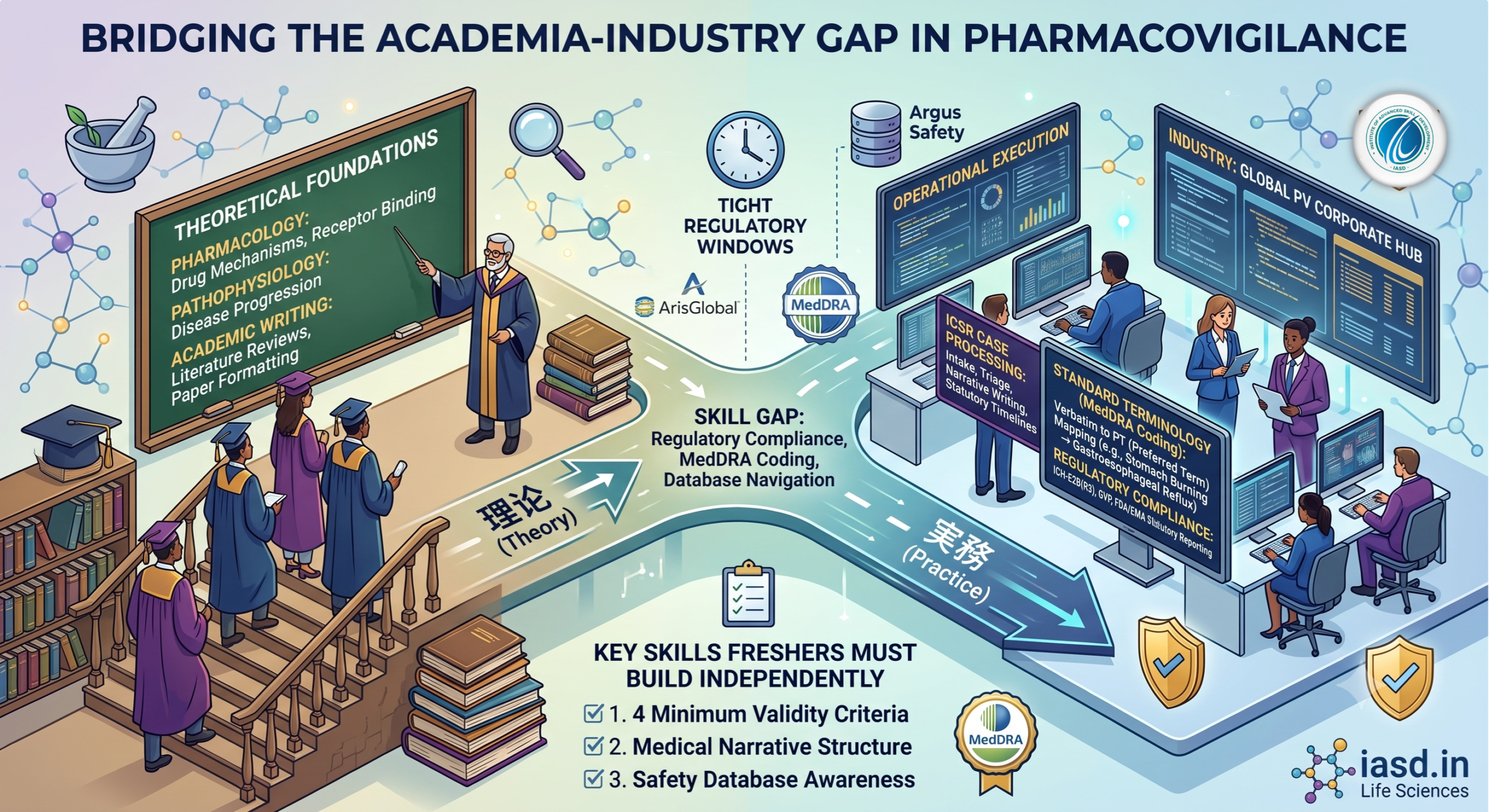
Bridging the Gap: What Pharmacy & Life Science Curricula Miss
Introduction Academic programs in pharmacy (B.Pharm/M.Pharm) and life sciences provide a strong foundational understanding of pharmacology, chemistry, and therapeutics. However, there…
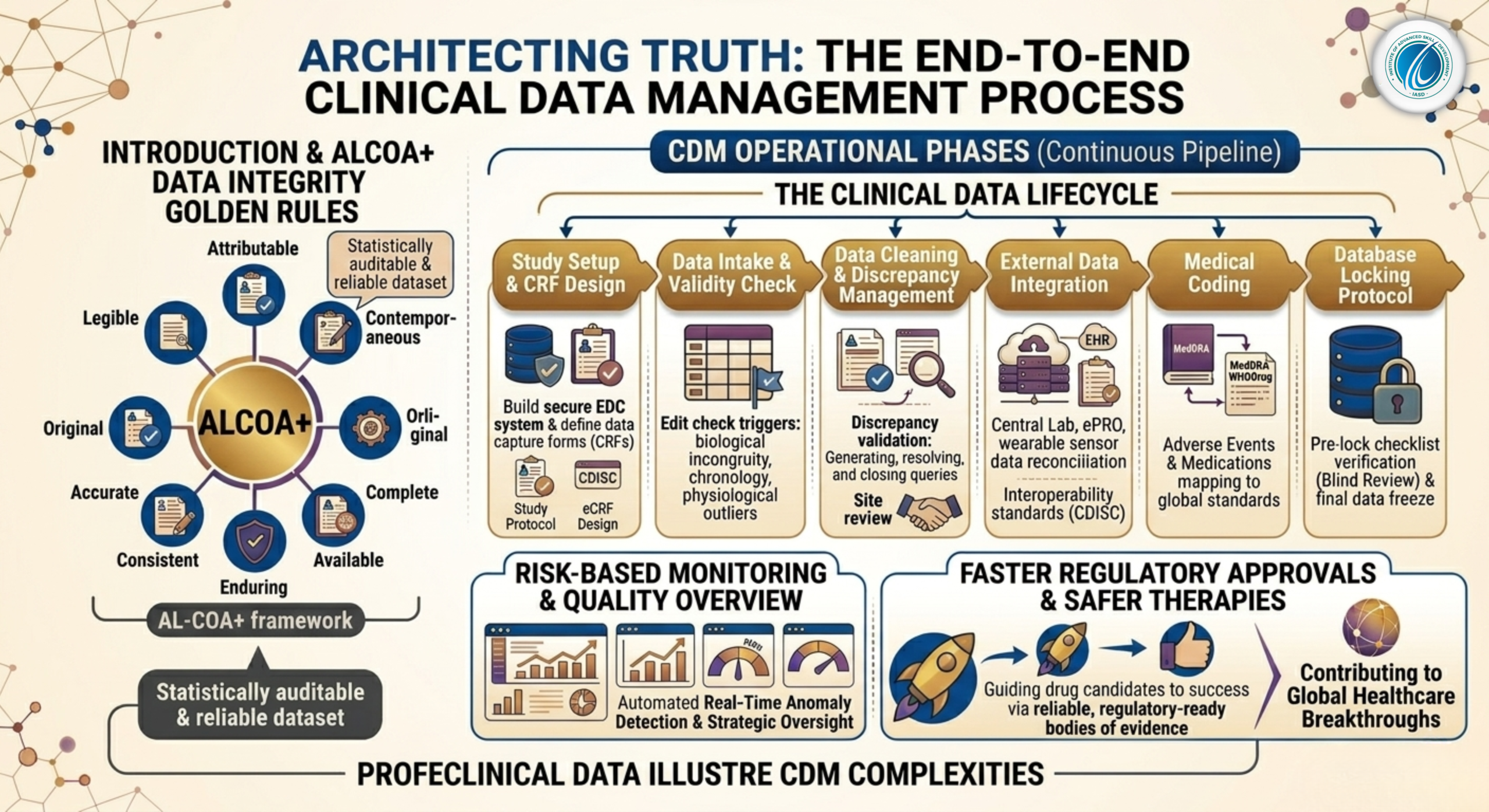
Architecting Truth in Clinical Research: The End-to-End Clinical Data Management
Every medical breakthrough—whether a novel gene therapy, a targeted oncology drug, or a newly developed vaccine—relies completely on the validity…
Decentralized and hybrid trials rely on a suite of digital technologies that extend data collection far beyond traditional clinical sites:
- Wearables and biosensors track vital signs and activity continuously, offering real-time insights into patient health.
- ePROs (electronic patient-reported outcomes) capture patient experiences directly and reduce reliance on manual reporting.
- Mobile health apps facilitate medication reminders, symptom tracking, and two-way communication between patients and researchers.
- Remote monitoring platforms enable site teams to evaluate adherence and safety without requiring frequent in-person visits.
These innovations create richer, more patient-centered datasets while improving trial accessibility for diverse populations.
Managing the Surge of Real-World Data
With these technologies comes a significant challenge: the sheer volume, variety, and velocity of data entering clinical systems. Clinical Data Management (CDM) teams are tasked with ensuring this data is accurate, reliable, and compliant.
- Volume: Continuous data streams from wearables produce massive datasets requiring scalable infrastructure.
- Variety: Data now comes in multiple formats—structured EHR data, unstructured patient reports, and real-time sensor outputs.
- Velocity: The speed of data flow demands near real-time monitoring, validation, and decision-making.
To meet these challenges, CDM teams are increasingly adopting cloud-based platforms, advanced data warehouses, and AI-driven analytics that can process and standardize information at scale.
Practical Strategies for Interoperability and Patient-Centric Design
Successfully implementing decentralized and hybrid trials requires more than just new technology. It demands a deliberate focus on interoperability and patient experience.
- Adopt Global Standards: Utilize CDISC and FHIR frameworks to ensure seamless data exchange across systems.
- Integrate Systems through APIs: Build connectivity between EDC, CTMS, and external patient-facing tools.
- Prioritize Data Privacy and Security: Incorporate encryption, anonymization, and strict governance to maintain regulatory compliance.
- Design Around the Patient: Ensure tools are intuitive, minimize participant burden, and enhance engagement.
A trial designed with patient convenience in mind not only improves recruitment and retention but also leads to higher-quality, more complete data.
Looking Ahead
Decentralized and hybrid trials are not just temporary responses to the pandemic era—they are setting the foundation for a new clinical trial paradigm. For sponsors and CROs, the key will be balancing technological innovation with regulatory compliance and patient trust. For CDM professionals, this evolution means embracing new tools, upskilling in interoperability standards, and developing strategies to manage increasingly complex data ecosystems.
The future of data capture in clinical trials will be defined by inclusivity, flexibility, and real-world relevance. Those who adapt early will be best positioned to lead in the rapidly changing research landscape.