The future of clinical research is being shaped by a single powerful trend: the rise of wearables and patient-generated health data (PGHD). No longer limited to fitness enthusiasts, wearable technologies are now providing clinical-grade data that is transforming how trials are designed, monitored, and evaluated.
From smartwatches to advanced biosensors, the ability to continuously capture patient health data is enabling more patient-centric, decentralized, and efficient trials. But with opportunity comes the challenge of managing the volume, variety, and value of this data.
Real-World Impact on Patients
Wearables have changed the way patients participate in trials:
- Reduced site visits: Patients can stay at home while devices collect vital data such as heart rate, blood oxygen levels, or sleep patterns.
- Better safety monitoring: Real-time tracking enables faster detection of adverse events, allowing clinicians to intervene earlier.
- Higher engagement and retention: Patients who see their own data often feel more connected to the study, leading to improved compliance.
For example, in the Johnson & Johnson Heartline Study, the Apple Watch was used to detect atrial fibrillation in thousands of patients. This large-scale, virtual trial demonstrated both feasibility and the benefit of wearable-driven engagement.
Accelerating the Trial Process
Wearables do not just make trials more patient-friendly—they make them faster and more robust:
- Faster recruitment: Remote monitoring allows inclusion of patients from rural or underserved areas.
- Richer datasets: Continuous data capture provides a more accurate picture of patient health than occasional site visits.
- Adaptive designs: Real-time insights allow sponsors to adjust protocols or dosing strategies mid-trial.
For example, Pfizer leveraged Fitbit devices in neurological studies to monitor sleep and activity. This provided researchers with valuable, real-world insights that were not possible through traditional clinic visits alone.
Tools and Platforms Driving Adoption
Several leading companies are already embedding wearable data into their clinical data management workflows:
- Medidata Sensor Cloud: Offers a unified platform to ingest, normalize, and analyze data from multiple wearable devices.
- Veeva Vault CDMS: Provides cloud-native integration capabilities for external data streams, including wearable outputs.
- Clario: Specializes in clinical-grade sensor solutions widely used in respiratory and cardiovascular trials.
- Labcorp’s Covance: Supports decentralized trial models with wearable device integration for continuous remote monitoring.
These platforms are bridging the gap between consumer devices and regulatory-grade clinical datasets.
The Integration Challenge
Bringing wearable data into trial systems is complex. Challenges include:
- Volume of Data: Continuous monitoring can generate gigabytes of raw data per patient.
- Solution: Cloud-native CDMS platforms that can scale elastically to store and process high-volume datasets.
- Data Variety and Quality: Devices differ in format and accuracy, and patient misuse can create inconsistencies.
- Solution: Use AI-driven data cleaning and industry standards like CDISC ODM to normalize and validate inputs.
- Interoperability Issues: Proprietary device formats make it hard to unify data streams.
- Solution: Adoption of standards such as HL7 FHIR to enable seamless interoperability.
- Privacy and Compliance: Sensitive health data raises concerns under HIPAA, GDPR, and the European Health Data Space (EHDS).
- Solution: Strong encryption, audit trails, and patient consent frameworks built into CDMS platforms.
The Road Ahead
Wearables and patient-generated health data are no longer experimental—they are becoming a core component of modern clinical research. They benefit patients by reducing burdens, improve trial timelines through richer real-world evidence, and empower sponsors with actionable insights.
As cloud-native platforms, interoperability standards, and AI-based validation mature, the industry will be able to overcome today’s challenges and unlock the full potential of wearables in clinical trials.
The message is clear: wearable data is not just adding numbers to databases—it is adding real value to both patients and science.

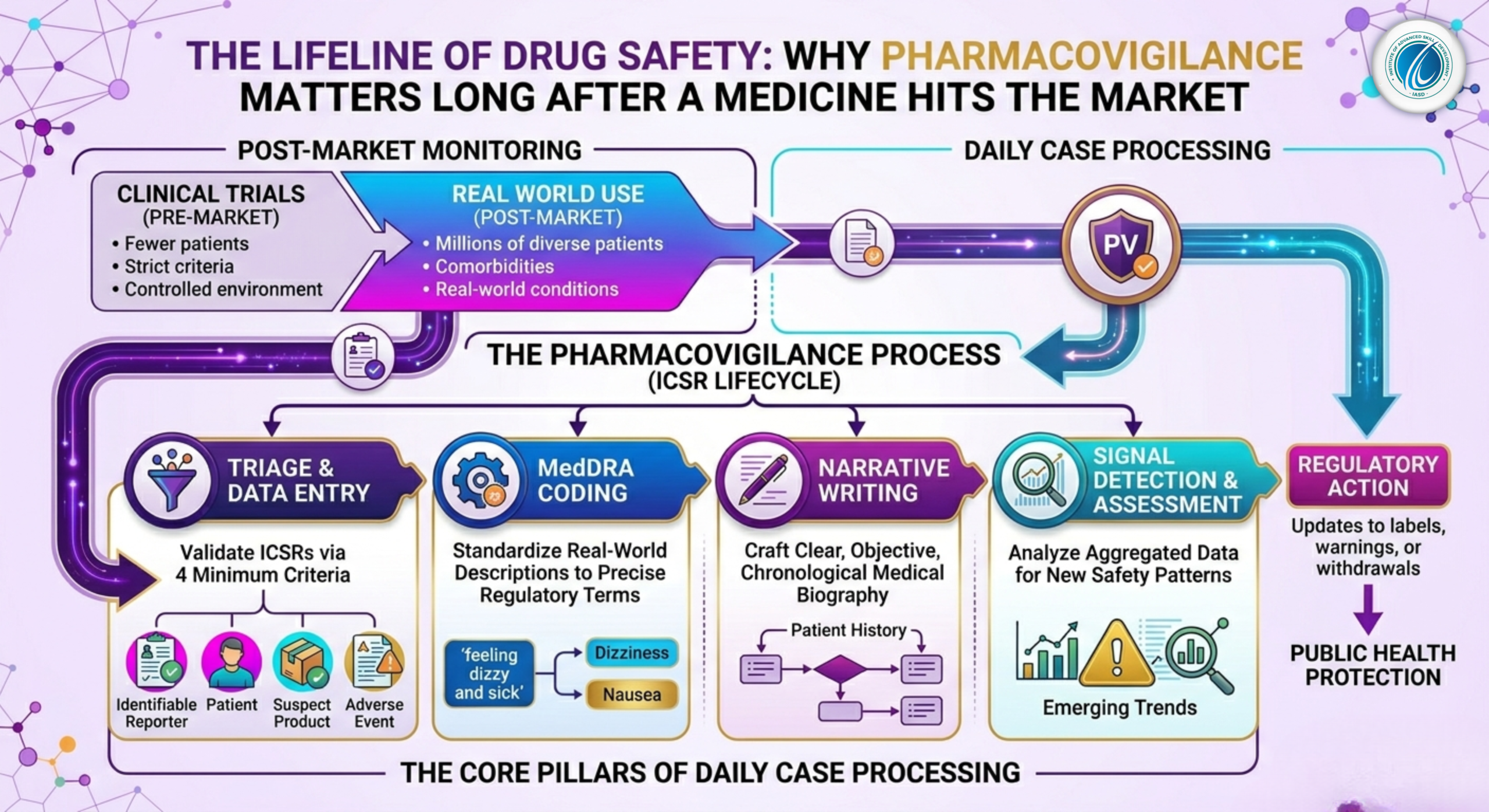
An Introduction to MedDRA Coding: Structuring Clinical Terminology in Drug
Introduction When a patient or physician reports an adverse event during a clinical trial or post-marketing surveillance, they describe symptoms in…

Mastering Clinical Data Management: From eCRF Design to Database Lock
Introduction In the era of modern clinical research, data is the foundation of every medical breakthrough. However, raw clinical data collected…

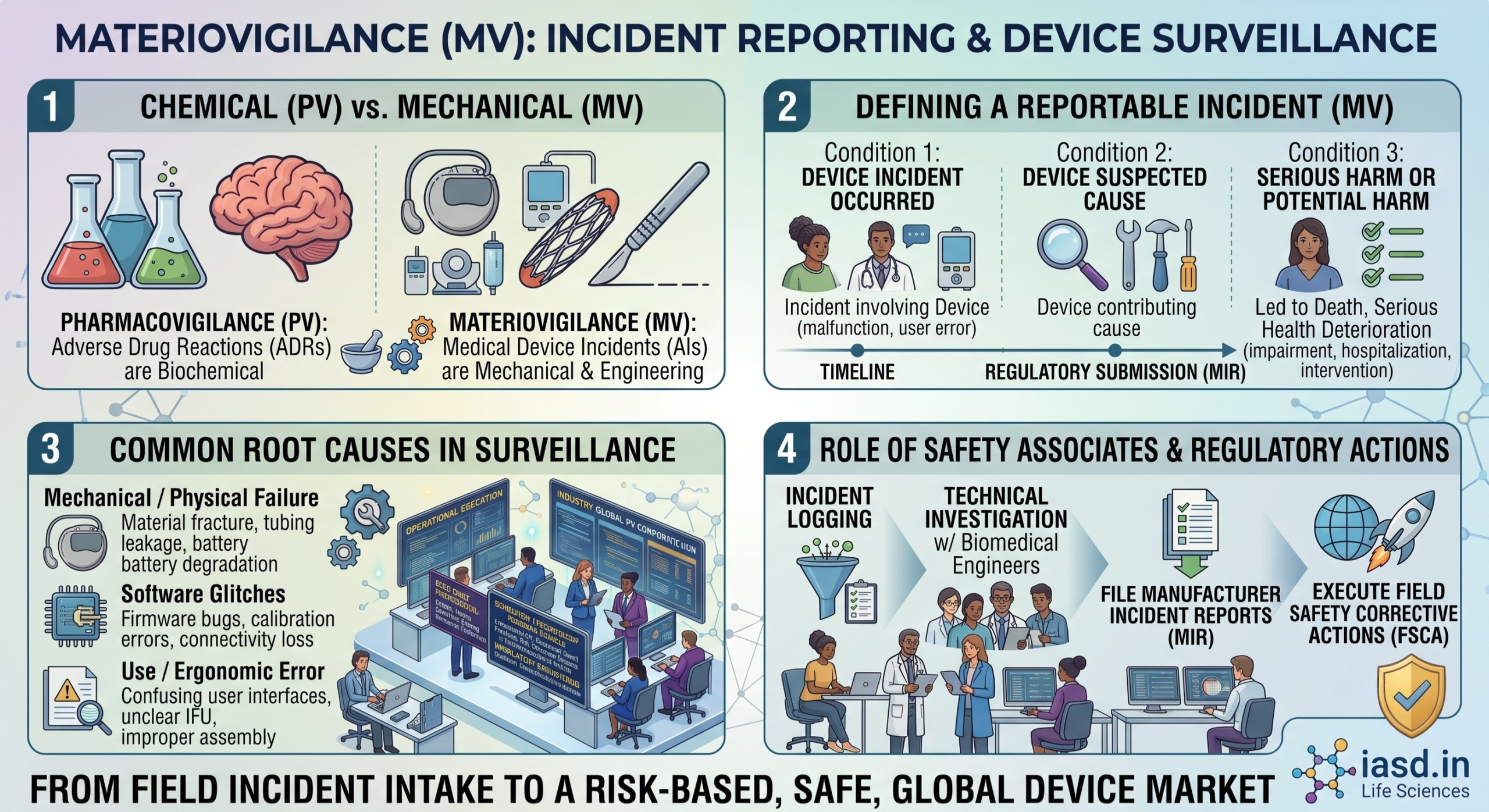
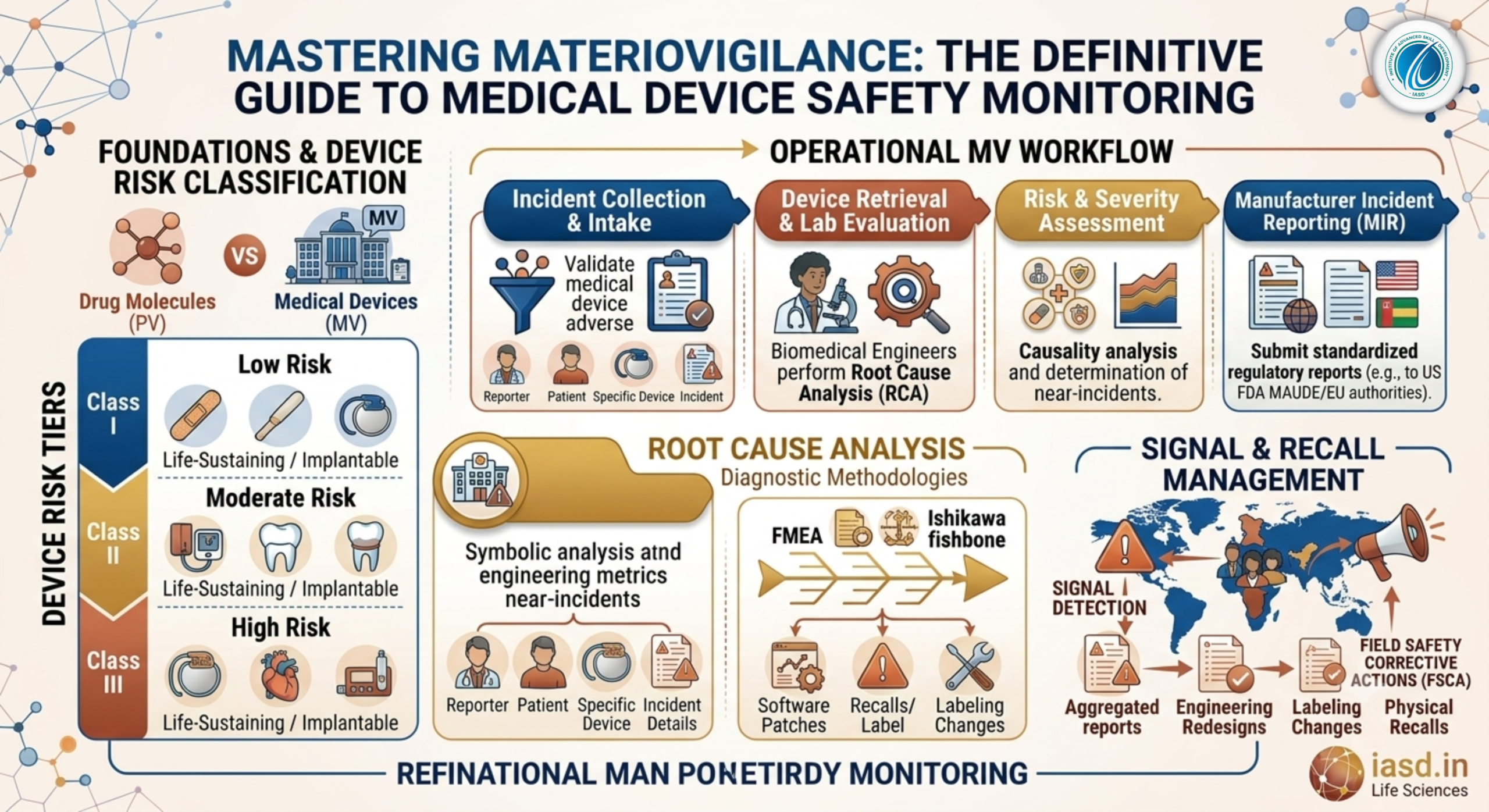
What is a Medical Device Incident? An Introduction to Materiovigilance
Introduction While Pharmacovigilance (PV) monitors adverse reactions to pharmaceutical molecules, Materiovigilance (MV) is dedicated to monitoring the safety and performance of…
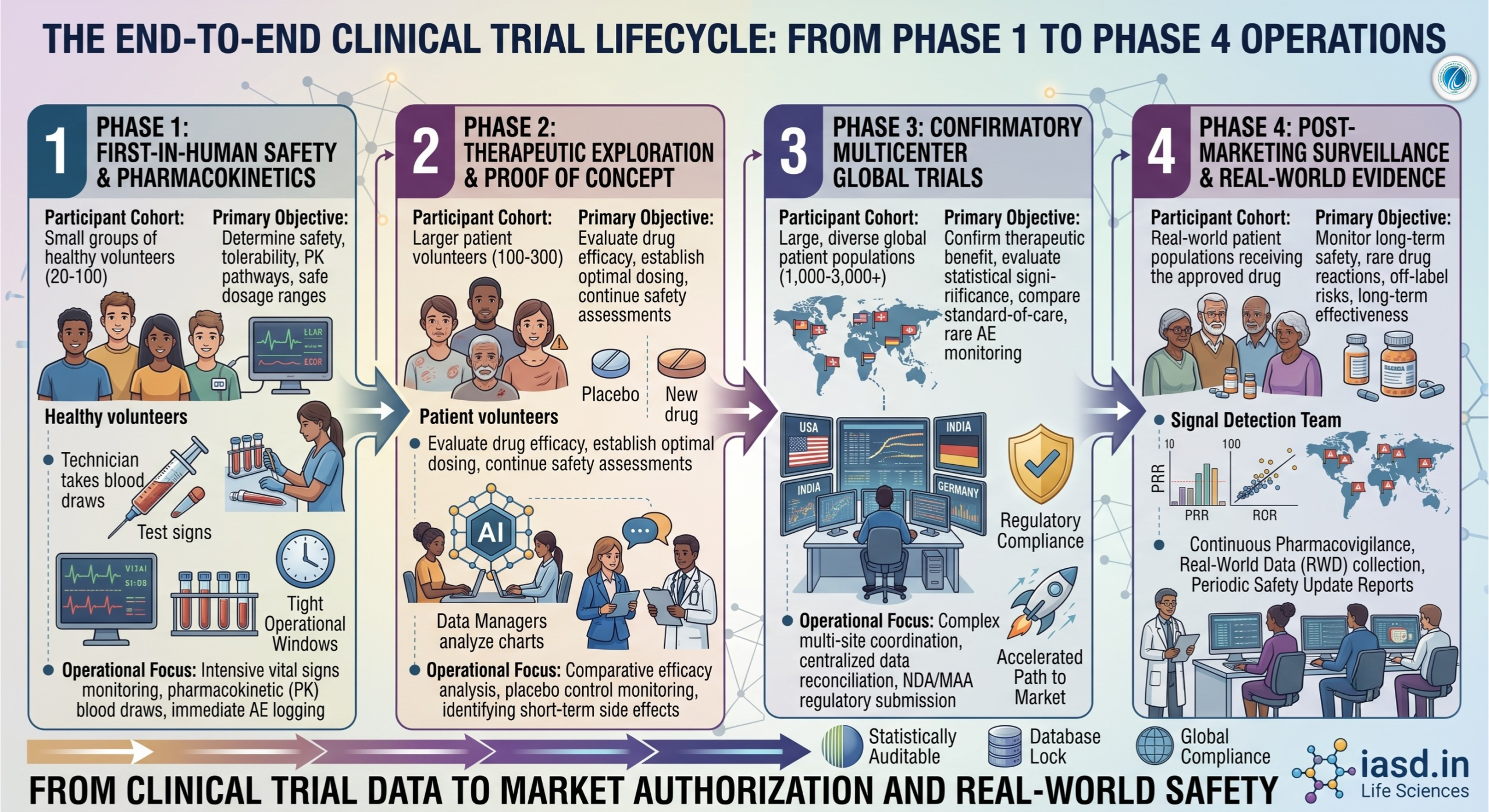
The Core Lifecycle of a Clinical Trial: From Protocol Phase
Introduction Developing a new pharmaceutical molecule and bringing it safely to market is a rigorous, multi-year process governed by strict ethical…

Bridging the Gap: What Pharmacy & Life Science Curricula Miss
Introduction Academic programs in pharmacy (B.Pharm/M.Pharm) and life sciences provide a strong foundational understanding of pharmacology, chemistry, and therapeutics. However, there…
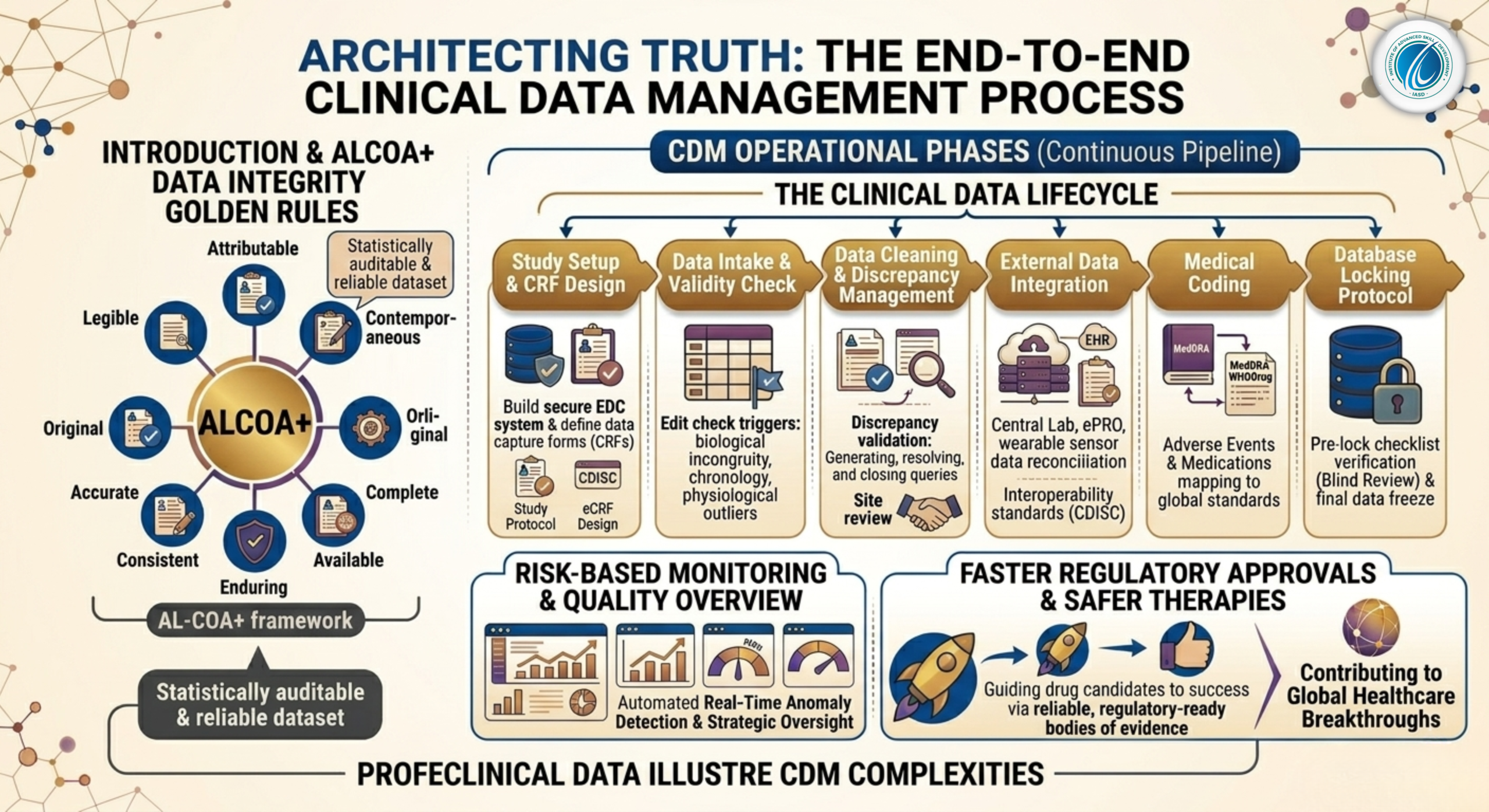
Architecting Truth in Clinical Research: The End-to-End Clinical Data Management
Every medical breakthrough—whether a novel gene therapy, a targeted oncology drug, or a newly developed vaccine—relies completely on the validity…
weed edibles no prescription required worldwide